insight
Hallucinatives.
1 June 20265 min read
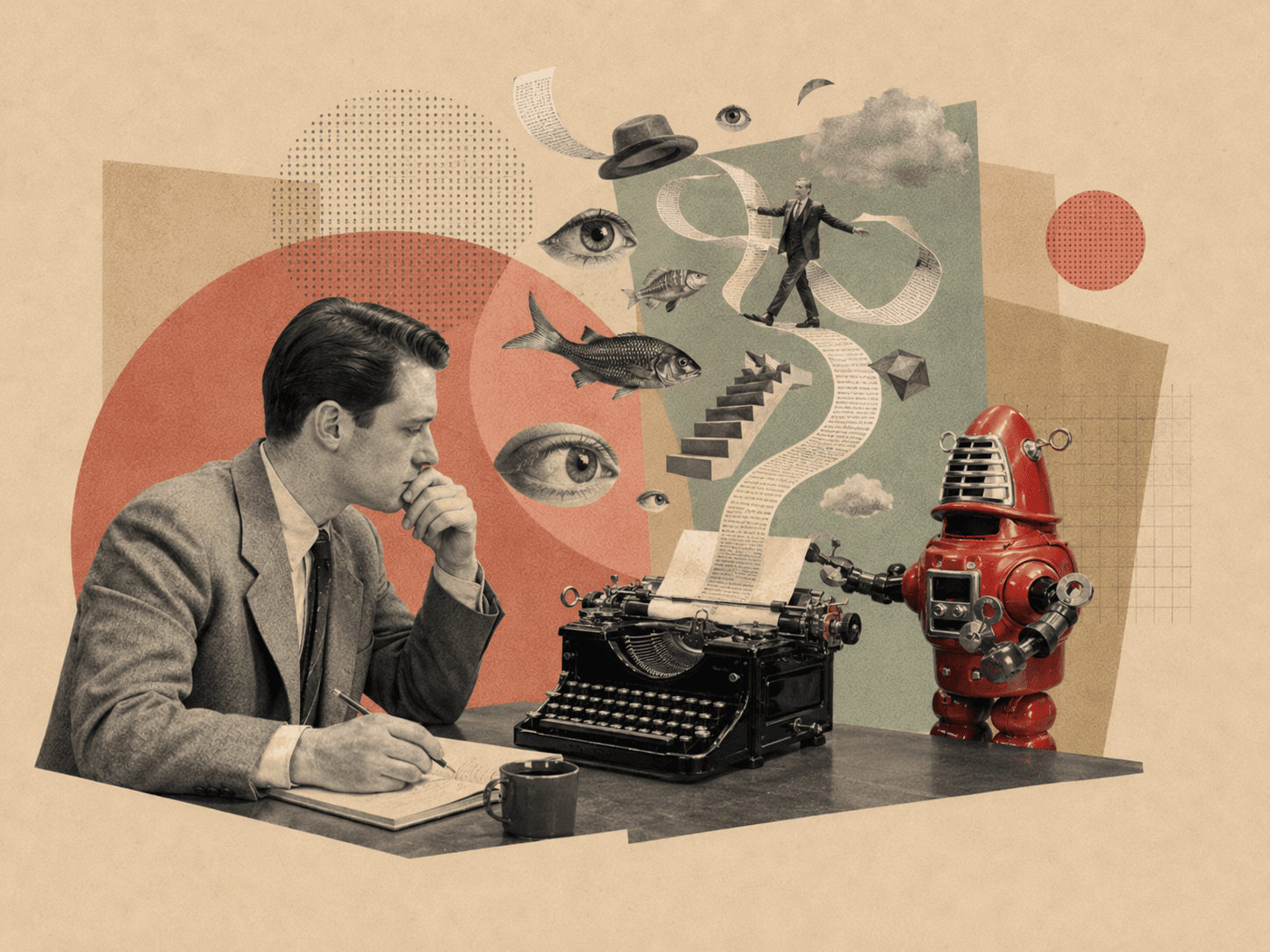
AI is useful enough to become invisible. That is exactly why leaders need better habits around checking, escalation, and expert review when the answer matters.
I saw a word in Tim Ferriss' Five Bullet Friday newsletter that stuck with me:
Hallucinatives.
The first generations with unquestioned faith in the truth of AI and LLM answers.
It is a sharp word because it names something we are already starting to see. Not stupidity. Not laziness. Something quieter: a new default trust in fluent machine output, especially when the answer arrives quickly, confidently, and in the shape we expected.
That is the dangerous bit. AI often sounds most persuasive when it is least certain.
The problem is not using AI
I am not anti-AI. That would be absurd at this point.
Used well, LLMs are extraordinary tools. They can draft, summarise, classify, translate, compare, reformat, explain, brainstorm, search across messy material, spot patterns, and help people get unstuck. For busy teams, that matters. A good model can remove hours of sludge from the working week.
But the mistake is treating an LLM as a truth engine.
It is not. It is a reasoning and language tool that can be useful, convincing, incomplete, stale, overconfident, or flat wrong. Sometimes all in the same answer.
The issue is not whether people should use AI. They should. The issue is whether they know when to trust it, when to test it, and when to take the answer to someone who actually knows.
Fluency is not accuracy
The old internet trained us to distrust bad writing. Spam looked like spam. Scam emails looked broken. Low-quality pages were often badly formatted, keyword-stuffed, and visibly suspicious.
LLMs remove that warning signal.
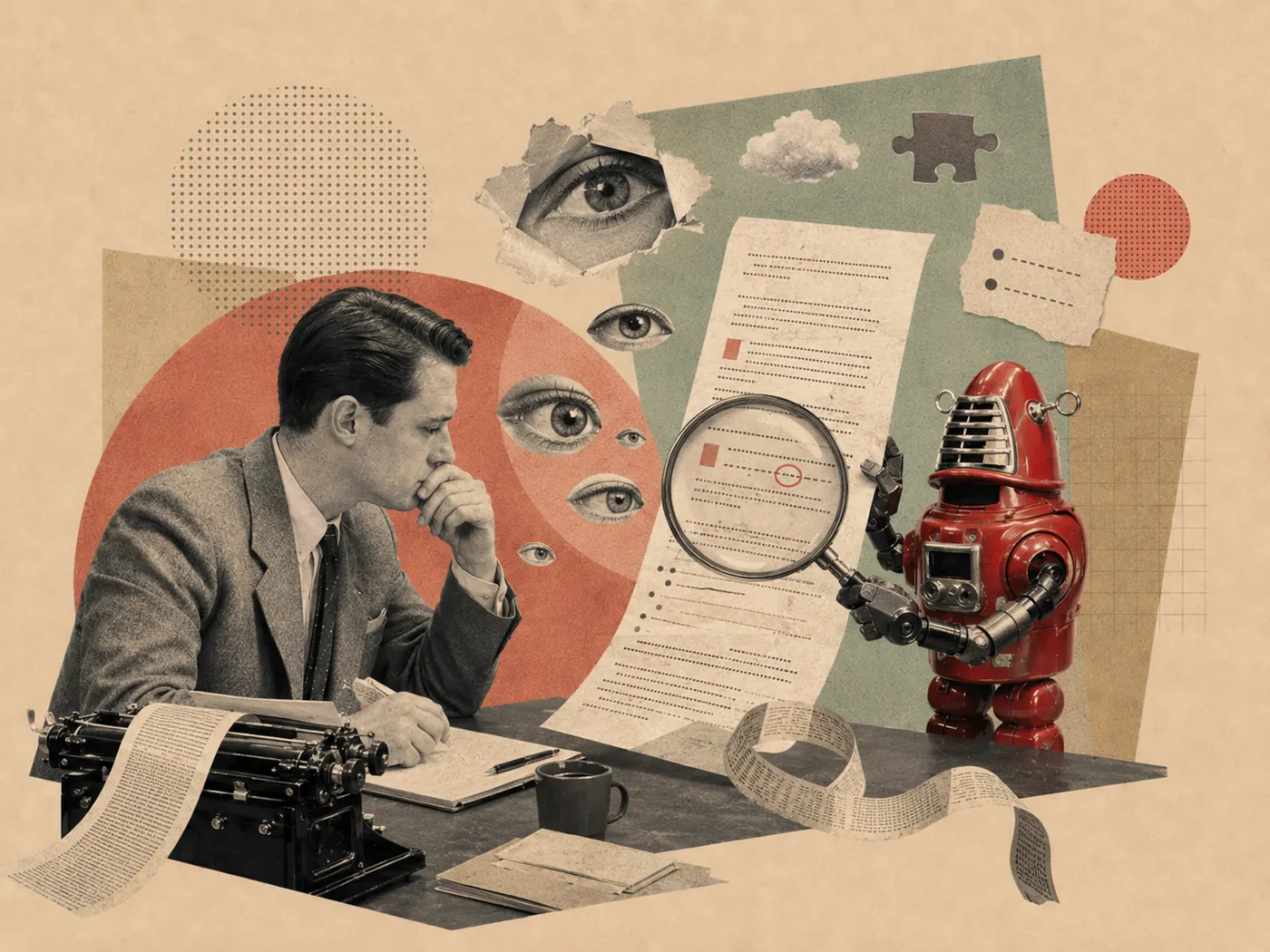
The answer can be beautifully written and still wrong. The summary can be calm and still miss the clause that matters. The legal-sounding paragraph can be plausible and still have no basis in law. The technical recommendation can sound senior and still ignore the one constraint that would break production.
That is the cognitive trap. Humans are very good at mistaking confidence for competence.
AI has confidence as a default setting.
Where this becomes expensive
Most AI mistakes are harmless. A weak first draft, a clumsy headline, a bad meeting summary, a weird spreadsheet formula. Annoying, but recoverable.
The problem is when the same behaviour moves into decisions with consequences:
- A founder asks an LLM whether a contract clause is safe.
- A manager uses it to interpret employment law.
- A team ships customer-facing copy with unsupported claims.
- A finance lead relies on an AI-generated model without checking the assumptions.
- A developer accepts a security recommendation without understanding the trade-off.
- A business automates a workflow that sends the wrong answer faster than a human ever could.
This is where "AI as a productivity tool" quietly becomes "AI as an unreviewed decision-maker".
The first is useful. The second is a governance problem.
The better habit: trust by consequence
The practical answer is not to ban AI. It is to calibrate trust based on consequence.
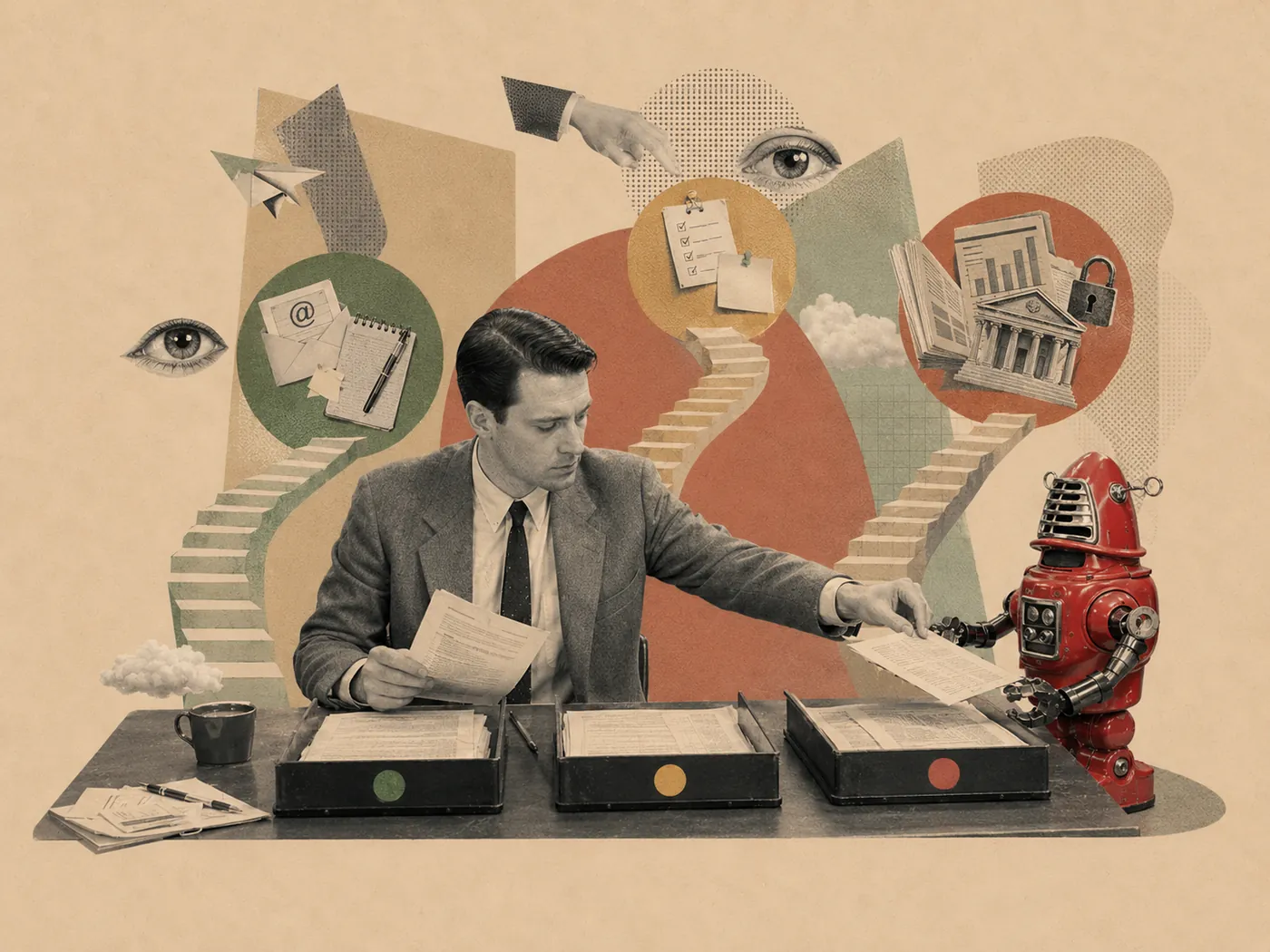
For low-risk work, use it freely. Draft the email. Summarise the transcript. Turn notes into a checklist. Rewrite the awkward paragraph. Ask it to explain the thing you half-understand.
For medium-risk work, verify the important claims. Ask for sources. Check against primary material. Compare outputs from different angles. Make the model show its assumptions. Keep the human owner clear.
For high-risk work, involve an expert.
That means lawyers for legal interpretation. Accountants for tax. Security specialists for security architecture. Clinicians for medical questions. Engineers for production systems. People who can tell the difference between "sounds right" and "is right".
AI can help prepare the question. It can help you understand the vocabulary. It can help you brief the expert. It should not replace the expert when the decision matters.
A useful test
Before acting on an AI answer, ask:
What would happen if this were wrong?
If the answer is "not much", move quickly.
If the answer is "we might confuse someone", check it.
If the answer is "we might lose money, mislead a customer, breach a contract, expose data, break a system, or create legal risk", slow down and escalate.
That one question changes the posture.
It moves AI from authority to assistant.
The role of experts changes
One of the lazy arguments around AI is that experts become less important because everyone can ask the machine.
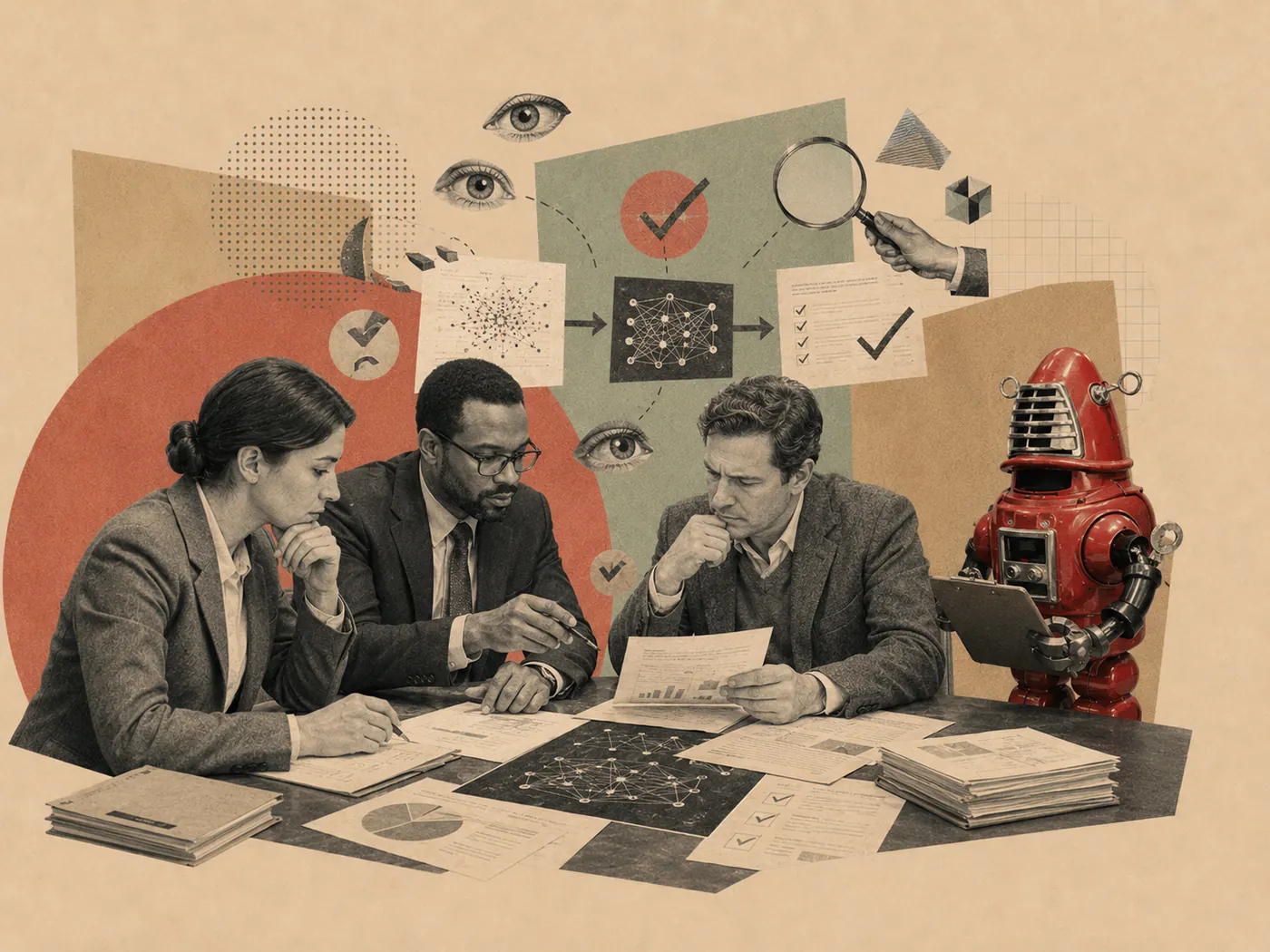
I think the opposite is happening.
Experts become more important because non-experts now have access to convincing answers at infinite scale. The bottleneck shifts from generating an answer to knowing whether the answer deserves to survive.
That is a different skill.
In businesses, the valuable people will not be the ones who refuse to use AI. They will not be the ones who believe every output either.
They will be the people who can use AI aggressively while keeping judgement intact.
What good AI usage looks like
Good AI usage has a few habits:
- The model is used to accelerate thinking, not outsource responsibility.
- Important claims are checked against primary sources.
- Outputs are reviewed by someone who understands the domain.
- The team is clear about what the AI is allowed to decide and what it is only allowed to draft.
- Customer-facing, legal, financial, security, and operationally sensitive outputs get a higher bar.
- There is a feedback loop when the model gets something wrong.
None of this makes AI slower in a bad way. It makes it usable in the real world.
The goal is not perfect caution. Perfect caution kills momentum.
The goal is proportionate caution.
The business risk
The risk for SMEs is not that they use AI too much.
The risk is that they use it informally, everywhere, with no shared standard for when an answer needs checking.
That is how bad habits become infrastructure. One person uses AI to write sales copy. Another uses it to interpret a supplier contract. Someone else uses it to advise a customer. A manager uses it to draft an internal policy. Nobody has done anything obviously reckless in isolation, but the business has quietly created a truth layer with no owner.
That is not an AI strategy.
It is drift.
Use the tool. Keep the judgement.
AI is too useful to ignore. It is also too persuasive to leave unmanaged.
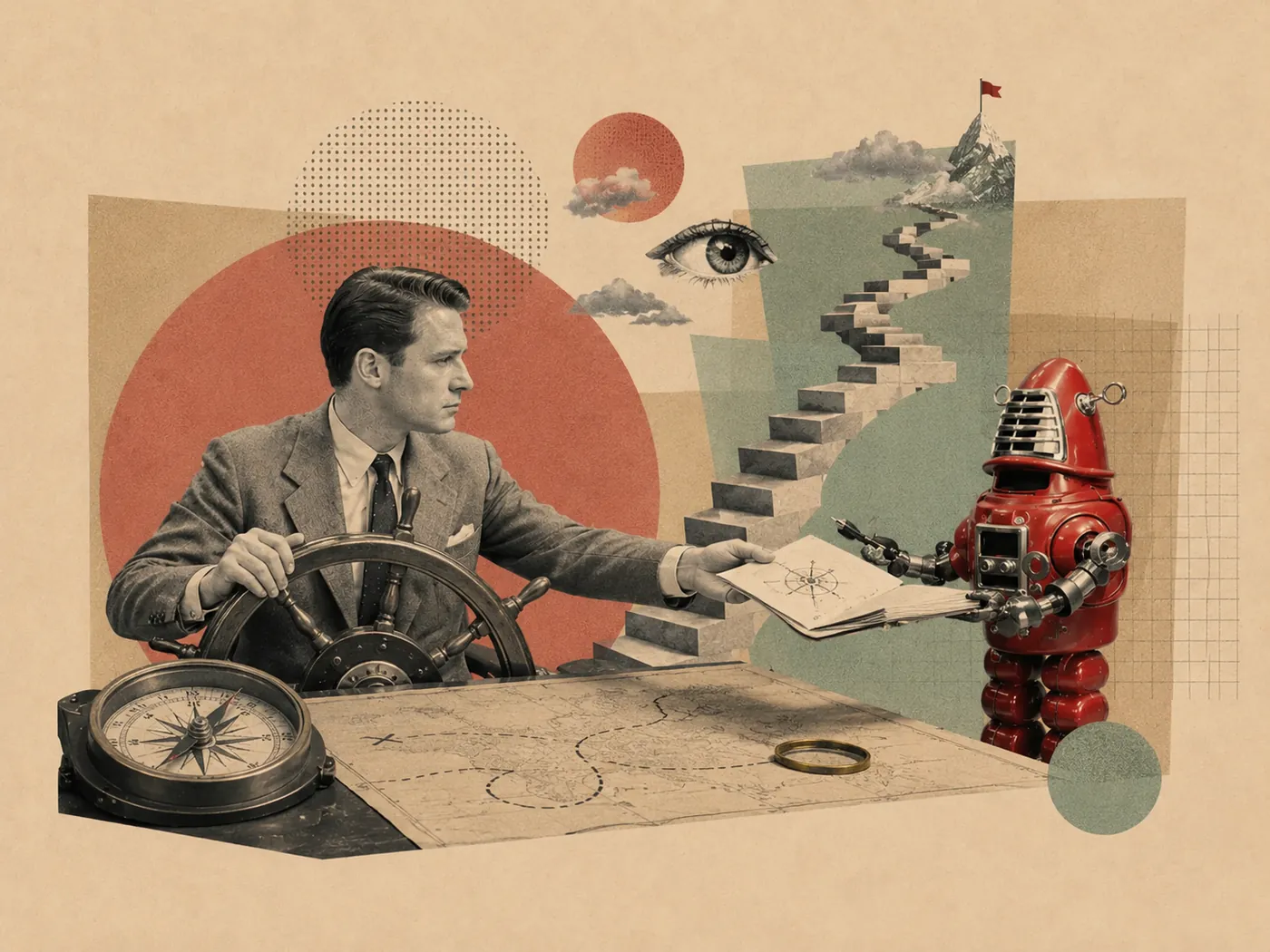
The answer is not cynicism. Cynicism wastes the tool.
The answer is not blind faith. Blind faith creates hallucinatives.
The answer is a better operating habit: use AI quickly, check it where it matters, and take consequential questions to people with actual expertise.
The machine can help you move faster.
It should not be where your judgement goes to sleep.
Get Actionable AI in your inbox.
One practical AI play per issue. Sent occasionally, never filler.
Ready to use AI seriously?
A 30-minute call. No deck, no follow-up nurture sequence. I'll tell you whether I can help.